Prologue
- 8月 22 週六 201511:37
On Romance (論羅曼史)
Prologue
- 6月 23 週日 201311:02
名人談失敗
On Failure
失敗是人生中不可避免的經驗。如何從失敗中汲取教訓,重新出發進而轉敗為勝,是大家共同的生命課題。以下三位不同領域的名人,分別在美國名校的畢業典禮上,分享自己的人生故事,談到如何從失敗中學習而後扭轉逆境,值得借鏡深思。
第一位是電視界名人歐普拉。她縱橫脫口秀節目二十餘年,收視長紅,另闢一個新節目觀眾卻不捧場。她在失敗後對哈佛大學畢業生講了以下這段話:
失敗是人生中不可避免的經驗。如何從失敗中汲取教訓,重新出發進而轉敗為勝,是大家共同的生命課題。以下三位不同領域的名人,分別在美國名校的畢業典禮上,分享自己的人生故事,談到如何從失敗中學習而後扭轉逆境,值得借鏡深思。
第一位是電視界名人歐普拉。她縱橫脫口秀節目二十餘年,收視長紅,另闢一個新節目觀眾卻不捧場。她在失敗後對哈佛大學畢業生講了以下這段話:
- 8月 25 週六 201211:51
On talking about our troubles
前言
我們習慣分享彼此不幸的遭遇,以為把它說出來,心裏會好過些,至少從別人那裡,得到些許的鼓勵或安慰,或者聽到別人也有類似遭遇,自己的苦就不顯得特別。這篇散文告訴我們,不能用訴苦的方式處理苦難,緘默堅忍以對才是良策。
In this short essay, British novelist and journalist Mark Rutherford (the pen name of William Hale White) encourages us to deal with our misfortunes by practicing "the art of self-suppression."
我們習慣分享彼此不幸的遭遇,以為把它說出來,心裏會好過些,至少從別人那裡,得到些許的鼓勵或安慰,或者聽到別人也有類似遭遇,自己的苦就不顯得特別。這篇散文告訴我們,不能用訴苦的方式處理苦難,緘默堅忍以對才是良策。
In this short essay, British novelist and journalist Mark Rutherford (the pen name of William Hale White) encourages us to deal with our misfortunes by practicing "the art of self-suppression."
- 8月 17 週五 201212:28
Romantic Love in Possession
Across the broad continent of a woman's life falls the shadow of a sword. On one side, all is correct, definite, orderly; the paths are strait, the trees regular, the sun shaded; escorted by gentlemen, protected by policemen, wedded and buried by clergymen, she has only to walk demurely from cradle to grave and no one will touch a hair of her head. But on the other side all is confusion. Nothing follows a regular course. The paths wind between bogs and precipices. The trees roar and rock and fall in ruin. There, too, what strange company is to be met---in what bewildering variety!
Virginia Woolf, “Harriette Wilson”
- 7月 08 週日 201217:19
談衛斯理高中的畢業演說
- 1月 25 週三 201212:11
舊約故事導讀
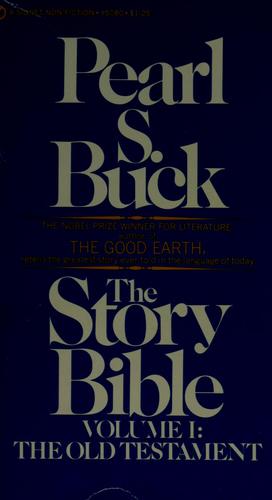
聖經和希臘神話,被視為是西方文學的源頭。兩者所講述的故事,成為後世文學取之不盡的題材。聖經這部經典分舊約及新約兩部分,文學主要探討的是舊約,時間大約從西元前1000年至300年,地點相當於今日的中東兩河流域地區。舊約可稱為猶太人的文化及建國史,分三部分,第一為妥拉或律法(Torah),其中有5部書;第二為先知書(Prophets),內有8部書;第三為聖卷(Writings),含11部書。所以舊約共有3部分24部書。本文介紹這三部分中較知名的故事,並詮釋其內涵。
- 12月 02 週五 201115:50
理性與感性的對話
李安於1995年執導的電影「理性與感性」,改編自19世紀珍奧斯丁的原著小說,當年榮獲最佳改編劇本獎,由女主角艾瑪湯普遜(Emma Thompson)撰寫。電影中的對白精確掌握小說的精髓,以雋永的語言,深刻剖析世事人情,溫和敦厚中不乏一針見血的批判。影評家總認為改拍自經典小說的電影,吃力不討好,因為影像無法詮釋文字的無盡意蘊。但「理性與感性」這部電影,卻獲得一致的讚賞,咸認為它不減損原作的精彩,珍奧斯丁地下有知,也會感到滿意。本文列舉電影中代表理性與感性的對話並詮釋其意涵,一窺經典小說的迷人殿堂。
MR DASHWOOD: A romantic poet with flashing eyes and empty pockets?(像浪漫詩人般,有熱情的雙眸和羞澀的阮囊嗎?)
***Mr. Dashwood在嘲笑太太和二女兒不切實際的幻想
![clip_image002[6]](http://pic.pimg.tw/hollyhsu/1322809127-617140616.gif "clip_image002[6]")
ELINOR: I do not attempt to deny that I think very highly of him that I greatly esteem that I like him.(我不想否認我很尊敬他,甚至喜歡他)
![clip_image002[9]](http://pic.pimg.tw/hollyhsu/1322809120-3012384073.gif "clip_image002[9]")
ELINOR: I am by no means assured of his regard for me. . . . But even were he to feel such a preference, I think we should be foolish to assume that there would not be many obstacles to his choosing a woman of no rank who cannot afford to buy sugar...(我完全無法確定他對我是否有情。但即使他對我有好感,願意選擇我這樣沒社會地位,連糖也買不起的女人,我們也不該蠢到以為這樣的選擇不會遇到重重的障礙。
ELINOR: In such a situation, Mamma, it is perhaps better to use one's head.(現在這種情況,也許用腦袋比較好)
***依Elinor之見,愛情不能超然獨立於社會經濟體系之外,它必須接受社會價值觀的考驗,再多情的人也無法自絕於社會的大環境下,終究須屈服於生計的基本需求之下。
![clip_image002[23]](http://pic.pimg.tw/hollyhsu/1322809121-3818128525.gif "clip_image002[23]")
ELINOR: Good work, Marianne! You have covered all forms of poetry; another meeting will ascertain his views on nature and romantic attachments and then you will have nothing left to talk about and the acquaintanceship will be over.
(妳表現真好呀,和他談遍了各種詩歌。下次見面想必會談到他對大自然及愛情的想法,然後你們的話題將終結,連同這段情誼也告吹。)
ELINOR: No, but Mr Willoughby can be in no doubt of your enthusiasm for him. (不是要你這樣。問題在於Willoughby對妳的熱情會絲毫無疑。)
ELINOR: No particular reason, Marianne, only that we know so little of him—(不為特別的理由,只因我們對他所知太少。)
![clip_image002[11]](http://pic.pimg.tw/hollyhsu/1322809123-723092184.gif "clip_image002[11]")
ELINOR: Edward made his promise a long time ago, long before he met me. Though he may harbour some regret, I believe he will be happy in the knowledge that he did his duty and kept his word. After all - after all that is bewitching in the idea of one's happiness depending entirely on one person, it is not always possible. We must accept. Edward will marry Lucy - and you and I will go home.(Edward很早以前,早在遇見我之前就以許下承諾。雖然他可能有些後悔,但我相信他會快樂,因他知道自己善盡職責信守諾言。認為幸福端賴於一個人的這種想法,終將陷人於迷亂中。我們要接受事實,Edward將和Lucy結婚,你我回家去。
![clip_image002[26]](http://pic.pimg.tw/hollyhsu/1322809125-1234066163.gif "clip_image002[26]")
ELINOR: Poor Willoughby. He will always regret you. (Willoughby會後悔沒有選擇妳)
MARIANNE: But does it follow that, had he chosen me, he would have been content?----He would have had a wife he loved but no money--and might soon have learned to rank the demands of his pocket-book far above the demands of his heart. (但選擇了我之後他就會滿足嗎? 他將會有愛妻但沒有錢。也許很快的,他口袋的需求將遠超過心的需求。)
MARIANNE: My illness has made me consider the past. I saw in my own behaviour nothing but imprudence--and worse. I was insolent and unjust to everyone—(我的病讓我反省過去。我察覺自己的作為一無是處,只能用輕率魯莽來形容,更糟的是,我對所有人既無禮又欠公平。)
***Marianne大病過後終於懂得反省,替他人著想,不再全然以自我為中心。許多年輕人都像她,活在自我的世界,努力追逐自己的夢想,無視於他人的需求。只有在經歷巨大的苦痛後,才能覺察到自我膨脹的禍害,才懂得珍惜身邊真正重要的東西。
MRS DASHWOOD: Marianne is sure to find her storybook hero. (Marianne一定可以找到她的理想情人)
![clip_image002[5]](http://pic.pimg.tw/hollyhsu/1322809118-1604831640.gif?v=1322809119 "clip_image002[5]")
MARINNE: Can the ardour of the soul really be satisfied with such polite, concealed affections? To love is to burn, to be on fire, all made of passion, of adoration, of sacrifice! (熱切的靈魂怎能滿足於溫吞掩飾的感情呢? 愛是燃燒的火焰,是全然的熱情、崇拜及犧牲!)
***Marinne認為愛的本質像火,充滿光與熱,不容含蓄委婉的表達方式。
MARINNE: I require only what any young woman of taste should--- a man who sings well, dances admirably, rides bravely, reads with passion and whose tastes agree in every point with my own. (我要的男人和一般有品味的女人一樣,他要能歌能舞,騎術精湛、熱情地朗讀、各種品味都與我相當。)
***Marinne是少女情懷的最佳代表,情人必須允文允武,才華洋溢最重要。口袋有沒有錢不重要。
MARIANNE: Esteem him! Like him! Use those insipid words again and I shall leave the room this instant! (尊敬! 喜歡! 你再用這種不慍不火的字眼我可要馬上離開了!)
***感性和理性對愛的表現方式截然不同。感性者認為愛是強烈的情感,要表現出來讓對方知道;理性者認為愛包含著尊敬,是內心默默的喜歡。在時間的考驗下,似乎後者較能持久!
MRS DASHWOOD: But Elinor--your heart must tell you—(可是妳的心一定可以告訴妳他是否愛妳!)
MARIANNE: I suppose I have erred against decorum. I should have been dull and spiritless and talked only of the weather, or the state of the roads.
(我想我是僭越了禮節。我應該表現出很無趣又無精打采的樣子,只談天氣和路況就好!)
MARIANNE: Why should he doubt it? Why should I hide my regard?(他何必要疑? 我何必要掩飾情感?)
MARIANNE: But time alone does not determine intimacy. Seven years would be insufficient to make some people acquainted with each other and seven days are more than enough for others.(但親密感不是單憑時間就能建立起來。有些人用七年的時間也還無法認識彼此;而對有些人來講,七天都還嫌多呢!)
MARIANNE: I feel I know Mr. Willoughby well already. If I had weaker, more shallow feelings perhaps I could conceal them, as you do—(我覺得我已經夠了解Willoughby,假如我的情感能更微薄淡然的話,我才能像你一樣掩飾。)
***這段姊妹對話充分章顯理性和感性的衝突。矜持的姐姐認為對不熟識的心儀之人,應該保持一定的距離,太早交心可能最後會受傷。但感性的妹妹認為心的感覺最重要,認識的時間不是問題。有人一見鍾情,有人不管見多久都鍾不了情。
MARIANNE: Always resignation
and acceptance!Always prudence
and honour and duty! Elinor,
where is your heart?
(老是放棄和接受事實嗎?永遠保持謹慎、
維護榮譽和責任嗎? 妳的心在哪裡呢?)
**感性的心永遠容不下禮教、榮譽、
責任等信念。既然這些都是違背心的聲音,
為何要遵守?理性的心卻願意持守這些,
因為這些是維持和諧社會的必要條件。
個人永遠是要依賴群體而生存的。
幸福不在於兩人快樂就好;
幸福在於兩人所處的環境和諧安樂。
![clip_image002[25]](http://pic.pimg.tw/hollyhsu/1322809129-740574729.gif "clip_image002[25]")
![clip_image002[25]](http://pic.pimg.tw/hollyhsu/1322809129-2186315810.gif "clip_image002[25]")
MARIANNE: Love is not love Which alters when it alteration finds / Or bends with the remover to remove: 0, no! it is an ever-fixed mark / That looks on tempests and is never shaken...(會變動遷移的愛不是真愛;真愛永固不變,迎視暴風不動搖)
**此段引自莎士比亞的十四行詩,Marianne經歷情傷後讀出的詩行,最能代表其感性的心。像一般的理想主義者,感性的人堅持世間有恆常不變的事物,不隨客觀環境變動,像地老天荒的愛情。無奈物質終究是戰勝了精神,Marianne也只能從詩行中尋求慰藉了。
- 11月 18 週五 201116:50
Temptations of Odysseus (奧迪修斯的誘惑)

希臘詩人荷馬的兩大史詩之一「奧德賽」(The Odyssey),描述希臘英雄奧迪修斯以木馬之計攻陷特洛伊城後,又歷經十年才得以返家的故事。詩人開宗明義寫道: 「謬斯女神啊,請賜予我靈感,讓我寫出這位足智多謀的人,在攻陷神聖的特洛伊城後,如何屢屢被迫駛離航道」(Sing to me of the man, Muse, the man of twists and turns driven time and again off course, once he had plundered the hallowed heights of Troy) 所謂被迫,指的是無法抗拒的的外在環境,讓英雄耽擱了行程,無法順利回家,並不是遭綁架或被威脅的意思。英雄的返鄉,和人的回歸生命起始點意義相同,指涉一段曲折的人生旅程所必須面對的危機及誘惑。把「奧德賽」視為一則人生的寓言毫不為過;稱它為文學的經典,更是理所當然。本文分析奧迪修斯返鄉行中遇到的四種誘惑,闡明它們在實際的人生中所展現的相貌。這四項分別是1. 蓮花島(Lotus Island),代表的是出離人世的誘惑。 2. 賽喜女妖(Circe),代表佳餚。 3. 賽倫女妖(Sirens),代表權力。 4. 克利普索女神(Calypso),代表安逸。 以下逐一分析其內涵。
- 10月 17 週一 201122:03
談英文寫作
學生在英文寫作中,最常遇見的瓶頸是詞彙不夠精準,時常用一堆淺顯的字來表達一個概念。許多程度不錯的學生會覺得自己寫到某個程度就難以再進步,全篇看來沒有文法或用字的錯誤,但讀起來平淡而無味。犀利或高人一等的見解,須要個人長期的閱讀思考,外加一點資質及慧根才有可能,但是對字義的掌控,下苦功絕對是可以手到擒來的。
以下試舉字義浮泛和精準的例子作為比較。通常我們會用甚麼詞語來形容他人的說話方式呢? 負面的字有沉默寡言(say few words) / taciturn; 結結巴巴(say incoherently) / inarticulate; 聒噪不休(say without stopping) / vociferous; 老生常談( say something commonplace / banal)等;正面的有言簡意賅(say briefly / laconic); 雄辯滔滔(say convincingly / cogent),口若懸河(say eloquently / voluble)等。當學生想表達這些概念時,經常用動詞”say”,然後再加上其它的名詞或副詞來描述,雖說表達無誤,但字義的掌握總嫌不足。”say”和它後面一串的字加起來,其實可以只用一個確切的形容詞來替換,如紅字所標示。
以下試舉字義浮泛和精準的例子作為比較。通常我們會用甚麼詞語來形容他人的說話方式呢? 負面的字有沉默寡言(say few words) / taciturn; 結結巴巴(say incoherently) / inarticulate; 聒噪不休(say without stopping) / vociferous; 老生常談( say something commonplace / banal)等;正面的有言簡意賅(say briefly / laconic); 雄辯滔滔(say convincingly / cogent),口若懸河(say eloquently / voluble)等。當學生想表達這些概念時,經常用動詞”say”,然後再加上其它的名詞或副詞來描述,雖說表達無誤,但字義的掌握總嫌不足。”say”和它後面一串的字加起來,其實可以只用一個確切的形容詞來替換,如紅字所標示。
- 7月 27 週三 201109:23
希臘神話中的愛情故事

前言 希臘神話中不乏唯美浪漫的愛情故事。這些故事中,神多少都佔有一席之地。不同於基督世界的耶和華或東方的佛陀,希臘的神不具有崇高的神性(transcendent divinity),有的卻是凡夫的貪嗔癡。以下的8個故事,筆者將之分為3種類型。其一是男女熾熱的情愛(Pyramus and Thisbe)、其二是堅如磐石的夫妻之愛(Orpheus & Eurydice); (Baucis & Philemon); (Ceyx & Alcyone)、 其三是求不得的單戀情殤。(Pygmalion & Galatea); (Endymion & Selene); (Daphne & Apollo); ( Alpheus & Arethusa) I. Pyramus and Thisbe Love cannot be forbidden. The more that flame is covered up, the hotter it burns. Also love can always find a way. It is impossible to keep apart the two whose hearts are on fire.