Illness as Metaphor, a 1978 work of critical theory by Susan Sontag, examines the cultural and metaphorical representations of two major illnesses: tuberculosis and cancer. The book's key points can be listed as follows:

《疾病如隱喻》是蘇珊·桑塔格(Susan Sontag)於1978年撰寫的批判性理論著作,內容檢視2種主要疾病,肺結核和癌症的文化隱喻。此書的重點列舉如下:

    Metaphorical portrayal of illnesses: Sontag argues that societies often use metaphors to describe and understand diseases, such as tuberculosis and cancer. These metaphors, though seemingly innocent, can contribute to stigmatization, fear, and misunderstanding surrounding these illnesses.


holly 發表在 痞客邦 留言(0) 人氣()

下載.jpg

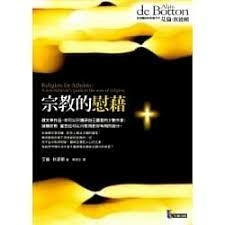
Reflections on Alain de Botton’s Religion for Atheists: A Non-Believer’s Guide to the Uses of Religion

被譽為英倫才子的艾倫.狄波頓,在《宗教的慰藉》一書中,暢談宗教該如何應用於世俗生活中。作品的英文名稱,明白宣告本書是為無神論者而寫,是要指引不信神的人,如何於現代生活中充分利用宗教,創造美好的生活。以下略述這位才氣縱橫的哲學家、作家及製作人風趣又機智的建言。

人類需要上帝:

「人類基本上是絕望、脆弱、容易受傷又充滿罪惡。雖擁有知識,卻欠缺智慧,時時都處於焦慮的邊緣,深受人際關係所苦,又對死亡恐懼不已」....(p.115)

自古以來,宗教的存在,就是對於人類這些迫切的問題,提供一定程度的教導指引。它有傳承已久的體制,用來培養並保護人類崇高的情感,時時勤拂拭,避免我們因為缺乏自律而惹塵埃。所有宗教的共通處,在於能夠撫慰我們困惑徬徨的心靈。它回應我們的需求,並且提供實用的解方及有效的提醒。

holly 發表在 痞客邦 留言(0) 人氣()


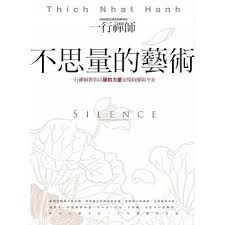
《不思量的藝術》譯自一行禪師(Thich Nhat Hanh)的英文著作 Silence: The Power of Quiet in a World Full of Noise。從英文標題得知,靜默是本書的主題。對年輕人而言,談論寂靜的力量,似乎老成了些;對不識佛法的人而言,寂靜等同消極遁世,是「佛系」二字的代名詞。近年來,「佛系」一詞如雨後春筍般冒出,其意涵多屬訕笑或嘲諷一切的消極不作為。看完此書,便知靜默不是遁世的禪修儀式,而是隨時可行的靜/淨心行動。「佛系」一詞,不該被誤解為擺爛的做事方式。

一行禪師在此書中,重申之前著作的核心思想---正念專注(Mindfulness)。為何要有正念? 原因再簡單不過,為了得到快樂。透過靜默而得的正念專注,可以清空腦袋不停運轉的思維,讓我們抽離擾嚷的環境,深刻覺知當下的一切,感受活著的奇蹟。我們曾幾何時會停下腳步,用心去感受日常的瑣碎? 邊吃飯邊聊天或划手機,未能領受食物真正的滋味。又或洗碗打掃等家事但求快速完成,以便迎接下一個任務。這樣的生活方式,都不是活在當下,因此就不能享有真正的自由及自在。活在當下的人,懂得如何關掉外界源源不斷的訊息,專注體會眼前的境界,進而從每件微不足道的瑣事中,得到寧靜的喜悅。

本書記錄實用的練習方式,在吸氣與吐氣的剎那,享受天地與自我的完美結合。靜默不受限於時空,是如影隨形的一種自覺,選擇全神貫注的活著,選擇聆聽自然萬物的聲音。心之所在,靜之所在。澄澈寧靜的心如平靜的海面,映照出互攝共生(interbeing)的世界。「我」不再是一個小身軀,而是和宇宙萬物相連的共同生命體。「我是誰? 」這個哲學的大哉問,在靜默的觀察中有了解答。原來「我」這個個體從來不孤獨,它包含了整個世界,舉凡空氣、陽光、水、動植物、祖先等,有生命或無生命的形體,無一不存在我的體內。有限的個人存在,蘊含無限的生命力,一沙一世界正是此義。靜默帶來的生命觀,適足以打破自我藩籬,與世界相連相依。

特別喜歡書中兩個詞語---自洲自依 (the island of self)及如雷貫耳的寧靜 (thundering silence)。快樂不假外求,它存在於你的內心。雖然苦海無涯,但不乏安身立命的心靈小島可以棲息。別以為靜默只是寂然無聲的狀態,它如雷貫耳,能喚醒沉睡的覺知,領悟生命的奇蹟。有了充分的覺察與瞭知,才能做出正確的判斷與抉擇。佛法是充滿行動力的教導,如本書所揭示。而「佛系」這個形容詞,是對佛法的表相詮釋。表面的止觀,冥想或不作為,為的是淨空並去除所有的雜染及偏見,而後貢獻生命於大宇宙,以自利與利他為目標而有所為

holly 發表在 痞客邦 留言(0) 人氣()


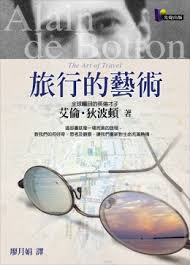
旅行的藝術》是英倫才子艾倫・狄波頓於2002年的作品。這位才思敏捷、善用哲學角度解讀日常的作者,繼《擁抱似水年華》之後,帶領讀者經歷奇妙的旅行經驗。此書鞭辟入裡探討旅行的心理因素及帶來的生命意義,絕對是哲學及文學的饗宴,非關飲食與景點的實質引薦。書中刻意採英雄冒險之結構,從出發、啟蒙到回歸,帶給我們視覺及心靈的絕佳遐想。作者旅行的範圍橫掃機場、高速公路休息站、阿姆斯特丹、馬德里、英格蘭湖區、西奈沙漠、普羅旺斯等,最後回到他的家鄉--英國倫敦。他在每個停駐點,導入和當地有深刻連結的作家或藝術家。寫到阿姆斯特丹的異國風情,他安排福樓拜當嚮導。描繪英格蘭湖區的美麗寧靜,他請出英國浪漫詩人華茲華斯。要傳遞西奈沙漠的雄偉遼闊,他呼喚聖經舊約中的約伯。而普羅旺斯的最佳代言,非梵谷莫屬。

旅行的藝術》彷彿是一部迷你又另類的文學及藝術史。沒有紀年及紀事,卻有作家和藝術家們在當地所經歷的幽微心識。文學史紀載人、事、時、地、物等事實,而艾倫・狄波頓娓娓道來福樓拜如何唾棄法國中產階級的虛矯,進而崇拜駱駝的堅毅及優雅! 遊歷詩人華茲華斯筆下的田園風光時,他不忘闡釋其詩作及親近自然之理念,深入探討為何大自然能啟發美德,矯正都市生活的扭曲墮落。哲學的嚴肅議題,在他獨特又饒富趣味的剖析下,變得生動易懂。從引領期盼到敗興而歸的心理層次,旅行道盡多少人間事! 旅行的嚴肅性,在於它可成為人類思想的催生劑。新地方引發新思想,宏觀的思想,較易在快速移動的車、船、飛機上被啟發,而流動的風景,易促成自我內心的對話:

Journeys are the midwives of thought. Few places are more conducive to internal conversations than a moving plane, ship or train. There is an almost quaint correlation between what is in front of our eyes and the thoughts we are able to have in our heads: large thoughts at times requiring large views, new thoughts new places. Introspective reflections which are liable to stall are helped along by the flow of the landscape.

人終究脫離不了感官的刺激。居家的平凡無奇以及固定的家具,總限制了一些想像和視野,於是旅行成為自我突破及潛能探索的同義詞。

世界走完了一遭,作者在回歸的篇章中,引述巴斯卡的名言:「人不快樂唯一的原因就是,不知如何靜靜地待在自己的房間。」走過千山萬水,驀然回首,發現旅行的意義在於滋養自己的那顆心而已。對於心性敏銳富觀察者,或恬淡自得之人,斗室足已! 穿著睡衣走一遍自己的房間,細心觀察沙發及床鋪,或透過窗戶欣賞夜空的景致,便能成就一趟豐富的心靈之旅。此結尾特別發人深省,頗能呼應禪宗之正念觀。活在當下,觀察當下的一切瑣事即能帶來快樂喜悅,無須大費周章整理行囊,經歷舟車勞頓去旅行。旅行的藝術》始於出發的期待,終於居家之旅的寧靜滿足,充分展現人生的起伏跌宕,也暗示年少輕狂,欲探索世界之豪情壯志,終將回歸年長的寧靜及沉澱。斗室之旅看似玩笑,卻是明心見性,正念安住的最佳示範,不僅成就了陶淵明「結廬在人境,而無車馬喧」之心境,亦展現沈復「夏蚊成雷,私擬作群鶴舞空」之閒情記趣!

holly 發表在 痞客邦 留言(0) 人氣()


本論文主要探討「少年Pi的奇幻漂流」符合神話英雄的冒險行徑。理論是根據神話學大師坎伯所著的「千面英雄」。此書蒐羅世界各文化的神話傳說,歸納出英雄冒險的相似軌跡分成三部分:啟程,啟蒙,及回歸。英雄得到某種外在的召喚,離開熟悉的家鄉出發前往陌生的領域,在此期間他必須經歷各種磨難考驗,所幸有外在的神祕力量保護而生存下來,並且得到心靈的成長。最後英雄通過試煉回返家園,把冒險得來的智慧分享給世人。此類英雄的範圍,包含屠龍的勇士甚至如佛陀及基督之類的智者。

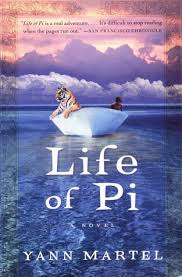
「少年Pi的奇幻漂流」是Yann Martel所寫的奇幻小說,內容敘述16歲的印度少年Pi,在舉家移民加拿大的途中遭遇沈船。他靠著信仰,在救生艇上漂流227天後奇蹟生還,唯一的同伴是原先動物園內飼養的老虎。Pi的故事吻合神話英雄的三階段冒險。搭船前往加拿大,是英雄的啟程。他所信仰的三個宗教是外在的助力,他的啟蒙及帶回人世的禮物,是對神更堅定的信仰及推翻科學實證的客觀真理。

本研究重新發掘坎伯的神話英雄理論,引用它來檢視Pi的冒險,以期增加此小說的深度,同時也證明神話英雄並非過時的理論,它仍然可以啟發無限的創作靈感。本文分三部分書寫,以呼應英雄的三階段冒險。套用神話英雄的架構來分析「少年Pi的奇幻漂流」,可以證明它不是一般膚淺的劫後求生的故事。它深具意義之處,在於它是神話英雄冒險的現代縮影,也是探討信仰的成長小說。

Life of Pi as Hero Archetype

Introduction

holly 發表在 痞客邦 留言(0) 人氣()


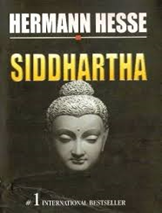
Siddhartha is a 1922 novelette by Hermann Hesse, a German-Swiss poet and novelist awarded the Nobel Prize for Literature in 1946. It explores the spiritual quest of an Indian young man named Siddhartha during the time of the Gautama Buddha. Lyrical and philosophical, the book was influential during the 1960s as it rediscovered Oriental wisdom as an antidote to mechanistic civilization. In a certain sense, Siddhartha is a reflection of Hesse’s yearning for deliverance from the bondage of individuality. However, this keen searching doesn’t always meet with positive response in academia. The objections include Hess as an unintellectual guru, or Siddhartha as a false portrayal of Buddhism combined with Western individualism.

        Almost one hundred years after its publication, is it still significant as it was in the last century? For spiritual seekers, different approaches to interpreting it yield rich fruits to taste and digest. We can read it as the spiritual journey of a mythological hero. Or, it is an allegory on human life as a whole from Buddhist perspective. Moreover, it is an illustration of Zen insight on life tinged with postmodern philosophy.        

Siddhartha can be read as an archetypal hero’s quest, with the theory based on Joseph Campbell’s The Hero with a Thousand Faces and The Power of Myth. On one hand, Siddhartha’s journey conforms to the structure of the traditional hero’s adventure. It’s a cycle involving a going and a returning. On the other hand, his experiences represent the sufferings and redemption common to humanity. The enlightenment he got benefits all mankind, transcending the distinction of age, race or gender.   

From Buddhist light, Siddhartha is every one of us afflicted with a samsaric existence yet blessed with the potential of liberation. His quest is not a unique experience belonging to a religious man. What he experiences is common to humanity with all the insatiable desires and disillusionment. He shares with all sentient beings the three poisons of greed, wrath and delusion. With the cultivation of such virtues as compassion and meditative stability, he is released from suffering and obtains eternal happiness.   

Siddhartha has no lack of the deconstructive spirit of Zen Buddhism. Hesse’s creation of the Oriental sage doesn’t distort Buddhism; instead, it shines forth the wisdom of Zen. The ancient Eastern religion has a deconstructive view on truth and subjectivity. Truth is not transparent but elusive and inaccessible through the medium of language. Human subjectivity is not a free and autonomous entity but a dependent-arising construct subject to ceaseless changes. Buddhism is in league with postmodernism in the concepts on language and subjectivity. Both view language as a subjective means of communication incapable of conveying truth. Human subjectivity is regarded as a social construct without an inherent essence. It’s an unfixed entity in postmodern discourses, while in Buddhism, subjectivity is not only unfixed but empty. Buddhist emptiness is not nihilism as the surface meaning of the word suggests, but a philosophical concept to explain the arising of all phenomena in the universe. Once achieving Buddhahood, Siddhartha enacts Buddhist emptiness through the transformation of his countenances into different forms.  
holly 發表在 痞客邦 留言(0) 人氣()


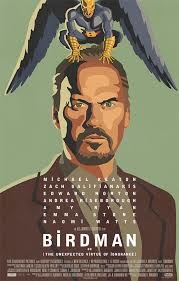
Birdman, or The Unexpected Virtue of Ignorance, is an acclaimed American black comedy film winning the 2014 Academy Awards for Best Picture, Best Director, Best Original Screenplay, and Best Cinematography. Despite its genre as a comedy, it arouses such turbulent emotions as pity and fear much like a tragedy. It’s not just a story about a washed-up superhero trying to regain his power. Rather, it’s a mirror of every one of us struggling to be relevant in our time, a projection of the universal fear that we don’t exist.

Life Meaning

What did you want from this life? To call myself beloved, to feel myself beloved on the earth.

Indeed, what more can we ask for? To live is to love and be loved, what else?

Riggan Thompason: “I’m trying to do something important---to finally do work that means something---unlike you and your cynical friends whose only ambition is to go viral.”

holly 發表在 痞客邦 留言(0) 人氣()

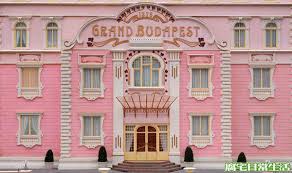
「the grand budapest hotel 電影」的圖片搜尋結果

There are still faint glimmers of civilization left in this barbaric slaughterhouse that was once known as humanity 

The best quote in the film, also a thematic sentence, conveys the importance of our inner value in creating beauty and order out of the chaos of human life. Amazingly, so heavy a message can be delivered through such a lighthearted tone of the film. To me, no better words can describe the film than “entertainingly significant.” It keeps me in high spirits for the rest part of the day after watching it. In memory of this delightful experience so that it will leave some traces in my life, I write down what it is all about. Basically, it is an appealing artwork featuring a balanced structure, picturesque scenes, and thrilling suspense. But most significantly, it touches the big philosophical question---the meaning of life.

Prologue

So, we are told by the Author that his tale is not a dream out of the air but a real incident bestowed on him by destiny--- a gesture to inform that what he is going to tell is of significance. This Author, like numerous others belonging to the group of intelligentsia, suffers from neurasthenia. That a solitary and reserved author dwells in the enchanting old ruin of the once prosperous hotel, is a perfect match!

Part 1. M. Gustave

holly 發表在 痞客邦 留言(0) 人氣()

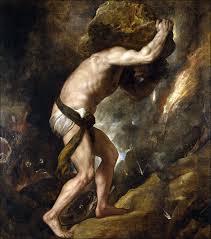
「sisyphus stone」的圖片搜尋結果

Sisyphus Myth Redefined: Richard Taylor’s “The Meaning of Life”

Introduction

The ancient myth of Sisyphus is a paradigm of a meaningless life featuring pointlessness and futility. However, Richard Taylor gives this myth a twist, interpreting it from a new angle. He argues that Sisyphus’ life can have meaning on the condition that he has a “strange and irrational impulse “to roll stones, however bizarre this impulse may be. Also, if the stones rolling back from the mountaintop can be used to build a beautiful temple, then, Sisyphus’ labor doesn’t come to nothing. Like the glimmering light in the darkness of human existence, Taylor’s viewpoints provide an existentialist leap for those suffering from the meaninglessness of their life.

Sisyphus Myth: Paradigm of Meaninglessness

The ancient myth of Sisyphus provides a perfect image of meaninglessness. Betraying the secret of gods to humans, Sisyphus is condemned to roll a stone to the top of a hill. Upon reaching the mountaintop, the stone immediately rolls down to the bottom of the hill. Thus, Sisyphus has to repeat the labor, with the stone pushed up and down the hill forever. In this picture, we see the common fate of all living creatures---the futility of all the strife and labor: “it really culminates in nothing, that each of these cycles, so filled with toil, is to be followed only by more of the same. The point of any living thing’s life is, evidently, nothing but life itself” (Taylor, 2010, p.26). In human existence, so many labors or tasks do culminate in nothing but repeat themselves endlessly. We are Sisyphus: “We do achieve things---we scale our towers and raise our stones to the hilltop---but every such accomplishment fades, providing only an occasion for renewed labors of the same kind” (Taylor, 2010, p.28). Even though we can build a temple out of the stones, the temple will crumble, leaving only pieces of relics for the future generation to ponder or bemoan. Each of our achievements is comparable to the moment when Sisyphus rolls a stone to the mountaintop. The task done, another one begins. And our achievement, petty or grand, will someday fade into dust or just be wiped out of history without leaving any traces. Seen in this perspective, our existence is meaningless with its futility. But the futility is just where meaning comes out of.

holly 發表在 痞客邦 留言(0) 人氣()

「romance」的圖片搜尋結果

Prologue

It is a truth universally acknowledged, that a single man in possession of a good fortune, must be in want of a wife.

The classic quote from Jane Austen’s Pride and Prejudice never dies. It finds numerous incarnations in romance throughout the world. The universal appeal of romance lies in its depiction of a utopian world of love, which is passionate, eternal, and most importantly, faithful. In this phenomenal world of inconstancy and decay, the perfect state in romance offers a vicarious satisfaction for the disappointed souls, however temporary it is.

Romantic love is a nonstop theme in Western popular culture. The romantic ideal of emotional commitment to a single person can be traced back to the courtly love found in the legends of King Arthur in medieval Europe. At that time, the court poets exalted love and young men were urged to devote themselves to the service of ladies in the Roman de la Rose (Beauvoir, 1989). From then on, love has been sanctified as a divine visitation wherein the individual unites with the sacred (Campbell, 1988).

As a type of popular literary work, romance is the medium through which romantic love is extolled and imprinted in people’s minds. According to Margaret Wetherell (1995), romance is a text which presents an image of redemption, salvation and rescue for the heterosexual lovers. While the real world is imperfect with male chauvinism, the lovers’ world is perfect with undying passion, faith and devotion. Shakespeare’s sonnet (116) conveys the essence of romantic love by comparing it to “the marriage of true minds,” “an ever-fixed mark,” and “the star to every wandering bark.”In the utopian state of romance, men and women encounter and fall in love with each other until death separates them. With its eternity and faithfulness, romantic love may well be claimed the secular equivalent of religious love (Fiske, 1989).

holly 發表在 痞客邦 留言(0) 人氣()


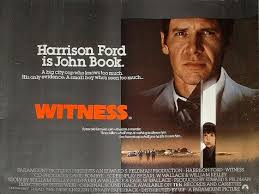
每當教材提及阿米許 (Amish) 文化,就想到 1985 年的 證人 」。 這部影片的主軸除了英雄主義以外,對邊緣的次文化也多有著墨,是不錯的教學影片。剛正不阿的警官對上貪腐的上司,最後邪不勝正,雖說是公式般的定律,但可以滿足現實生活中對正義的渴求,這是英雄片永遠存在的理由,一如浪漫愛情片,替代性的滿足大眾對永恆不朽愛情的嚮往。

片中呈現的 Amish 文化,自然樸質,是現代科技文明的反襯及反省。從服裝到家居,單純的白、黑、藍色調所表達的不僅是清教徒的自律嚴謹,更是對抗資本主義物質崇拜的一種姿態。手作的家具及食物,讓人和生存環境有了密切的聯結,不再有都會的疏離感。另外,把個人的價值,定位在對團體的貢獻上,也是避免疏離的好選擇。片中有一幕特別強調社群生活的凝聚力,男人們合力為一對新人建穀倉,女人小孩們則編織或送食物供大家享用。互助合作的生活模式大大降低了因個人主義所帶來的孤寂感,這點值得深思。在利益他人的過程中才能彰顯自己生命的價值,不管是東方的佛教或西方的耶教,對於此點,都有相同的論述。

Amish 的樸質文化同時也蘊含了環保的概念。馬車奔馳在田野間和路過的車輛形成強烈的對比,煤油燈照亮黑夜,拒絕使用電話及一切 3C 產品,對現代人而言,這一切的不可思議,用另外的角度來看,是環保的極致表現,也是一種生活美學。我們不能像 Amish 人執著於原始的生活,但是可以減少對汽車的依賴。在汲汲追求科技產品之新奇刺激時,是否也能想到它們的必然性及對自然環境的破壞性。沒有網路電腦的人,是否比較快樂而自在 ? 影片結尾時男主角身無寸鐵,卻能以寡擊眾,利用自然的力量打敗敵人。從穀倉高處灑落的大量玉米粒,其力道足以致殺手於死地。槍被玉米征服,這個畫面宣告自然勝過人文。

除了異族文化外,本片另有值得探討的品格教育。爺爺告誡孫子一句話 : “What you take into your hands, you take into your hearts.” 此句話的意思是,你的手碰觸的任何東西,都會影響你的心。手是借代修辭,它代替一切的感官刺激。舉凡眼、耳、鼻、舌、身所觸及的外在感受,都會影響人的內心。這點和佛法無二無別。爺爺要說的是,手碰觸不乾淨的汙染物,像槍枝這種奪人性命的武器,心就會被汙染。科學家曾做過一個有趣的實驗,印證爺爺的說法。把名牌太陽眼鏡發給兩組受測者,然後分別告知他們,所戴的名牌是真品和贗品。之後測試他們的誠實度,在作答的過程中,發現被告知戴贗品的這組人,選出不誠實的答案之機率遠高於被告知戴真品的這組人。這個結果顯示,人的心非常脆弱,容易受外在環境的影響而不自知。所以要避免妄念生起,最徹底的方法是預先防護。這也是孔子所說 非禮勿視,非禮勿聽 的意趣。爺爺的這句話,不只是宗教特有的持戒,而是修心的有效方法,足以借鏡。

holly 發表在 痞客邦 留言(0) 人氣()

It’s a truth universally acknowledged that election in Taiwan is nothing more than a melodrama full of tears, sound and fury, signifying nothing.

Election in Taiwan is a carnival festivity; the hierarchy of high and low, rich and poor is temporarily debunked when candidates implore electorates to give them a vote. The common populace enjoys a transitory delusion of their power, knowing that after the festivity, everything will be restored to its former state; the high and low, the rich and poor will resume their respective roles.

Election in Taiwan is a Roman style of vomiting, very much like the quarrel between lovers as illustrated in Roland Barthes’ Lovers’s Discourses: “I tickle my uvula, (I rouse myself to contestation), I vomit (a flood of wounding arguments), and then, quite calmly, I begin eating again (207). The candidates adopt the role of lovers, keeping swallowing and regurgitating their wounds. They spin, unwind and weave new accusations each day until the end of election.

Election in Taiwan is an invisible enframing machine reducing humans to three types of entities---the blue, green and middle. Those who support the blue party are labelled the conservative and nostalgic embracing Mainland China. Those who support the green party are self-claimed Taiwanese with exclusive rights to love and own this island. Those who belong to the middle path are the sober and rational who insist on justice. The activation of this enframing machine is the opening of Pandora’s Box, from which all the misery arises.           

holly 發表在 痞客邦 留言(0) 人氣()

Blog Stats
⚠️

成人內容提醒

本部落格內容僅限年滿十八歲者瀏覽。
若您未滿十八歲,請立即離開。

已滿十八歲者,亦請勿將內容提供給未成年人士。